
Spring in Toronto means one thing for a lot of homeowners: the renovation list that has been sitting on the counter since January finally becomes a project. The days are longer, the contractors are bookable, and there is something about the shift in season that makes it impossible to ignore the drafty casement in the kitchen or the patio door that has been sticking since October.
Window and door replacement is consistently one of the most impactful renovations a homeowner can undertake — not just aesthetically, but in terms of energy performance, home value, and daily comfort. But with so many options, materials, configurations, and price points available, the process can feel overwhelming before it even starts.
This guide is designed to cut through that. Whether you are replacing a single problem window, upgrading your entry door, or planning a full renovation across your home, here is what actually matters when making these decisions in 2026 — and how to make sure you get it right the first time.
Why Spring Is the Right Time to Act
The timing of your window or door replacement matters more than most homeowners realize. Spring sits in a sweet spot for a few reasons.
First, installation crews are available. Summer is peak season for exterior renovations in Toronto, which means skilled installers book up fast. Starting your project in April or May gives you first access to the best teams before the summer rush hits. By June, lead times stretch significantly.
Second, you can assess winter damage properly. Toronto winters are hard on window and door seals, frames, and weatherstripping. Spring is when condensation problems, air leaks, and frame damage reveal themselves most clearly — the evidence of a rough season is still fresh. If you have been noticing drafts, fogging between panes, or frost forming on the interior of your glass, spring is the moment to address those symptoms before another winter compounds them.
Third, new window installations benefit from settling into milder temperatures. Frames expand and contract with temperature swings, and having an installation bed in during spring — before the extremes of summer heat and winter cold — allows the seals and caulking to cure properly. Your installer will thank you, and so will your energy bill.
Step One: Understand What You Are Actually Replacing
Before choosing a product, it helps to be clear about what problem you are solving. Most window and door replacements in Toronto fall into one of three categories:
Performance failures. Fogging or condensation between glass panes, noticeable drafts, ice on the interior glass surface, or significantly higher heating and cooling costs are all signs that your current windows have failed at the seal or glazing level. The fix here is straightforward: full replacement with properly specified units.
Functional failures. Windows that no longer open and close smoothly, locks that do not engage, or hardware that has corroded past the point of repair. Sometimes this is a maintenance issue, but in older frames it often signals that the window has reached the end of its serviceable life.
Aesthetic or renovation-driven upgrades. A kitchen renovation, a home addition, or a desire to update the look of a home from the street. This category gives you the most flexibility because there is no urgency — which also means there is more room to make the right choice rather than the fast one.
Knowing which category applies to your project shapes every decision that follows — product type, material, glazing specification, and timeline.
Step Two: Choose the Right Window Style for Each Opening
Not every window opening calls for the same solution. Casa Bella carries a full range of window styles, and each has a distinct set of functional and aesthetic advantages.
Casement windows are hinged on one side and crank open outward, offering full ventilation across the entire opening and an excellent seal when closed. They are one of the most energy-efficient window styles available and work particularly well in living rooms, bedrooms, and any opening where maximizing airflow matters. If your current windows are horizontal sliders that have lost their seal, a casement upgrade is often a meaningful performance improvement.
Awning windows are hinged at the top and open outward from the bottom, which means they can be left open even during light rain — a genuinely useful feature in a Toronto spring. They are commonly installed above or below other windows, in basements, or in bathrooms where ventilation matters but privacy is also a priority.
Horizontal sliders operate on a track and slide open side to side. They suit wider openings and are a clean, low-profile option for contemporary homes. The trade-off versus casements is that only half the opening vents at any time, but for many applications that is more than sufficient.
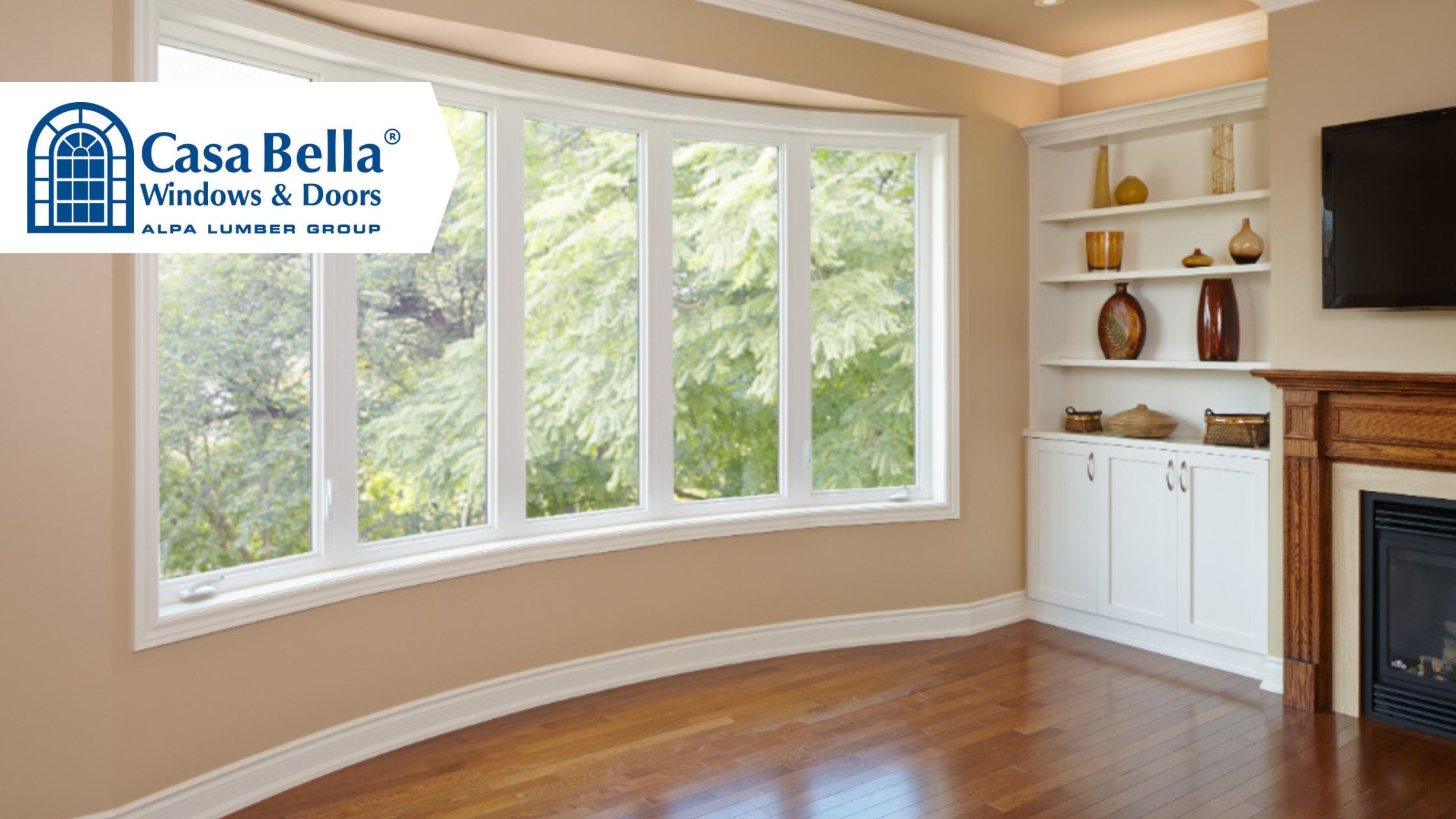
Bay or bow windows project outward from the wall, creating interior depth and a panoramic exterior view. They are a significant architectural statement — ideal for living rooms and dining areas where light and visual openness are priorities. If you are renovating a room that currently feels dark or closed in, a bay or bow window is one of the most transformative changes you can make.
Specialty windows cover custom shapes and configurations — arched, circular, triangular, and other non-standard openings. These are often used as accent pieces above entry doors, at the peak of a gable, or anywhere a standard rectangle would not suit the architecture of the home.
If you are unsure which style best fits a particular opening, our window features and options resource covers the technical specifications in detail, and our team is always available to walk through the options with you directly.
Step Three: Think Carefully About Your Doors
Spring renovation season is also prime time to address entry and patio doors — both of which take a significant beating over a Toronto winter and both of which have a disproportionate impact on curb appeal and energy performance.
Fiberglass entry doors are the most popular choice for Toronto homeowners replacing a front or side entry door. Fiberglass does not warp, crack, or rust, handles temperature extremes exceptionally well, and can be finished to mimic the look of wood grain at a fraction of the maintenance cost. For homes in exposed locations or with high-use entries, the durability advantage over wood is substantial.
Steel entry doors offer the highest level of security and are among the most energy-efficient door options available. Modern steel doors have come a long way aesthetically — they are no longer just a utilitarian choice — and they are particularly well suited for garage entry doors, side entries, and any application where security is a primary concern.
Sliding patio doors are one of the highest-impact upgrades a Toronto homeowner can make coming into spring. If you have a backyard, deck, or patio that you are planning to use more as the weather warms, the quality and performance of your patio door directly affects how connected your interior feels to that outdoor space. A well-specified sliding patio door with a proper multi-point lock, smooth glide system, and thermally broken frame is a genuinely different experience from an aging door that drags, drafts, and lets the heat out.
Garden doors — sometimes called French doors — swing open from the centre and create a wide, elegant opening between interior and exterior spaces. They are an excellent choice for larger openings onto decks or gardens where a sliding door would feel too casual for the home’s aesthetic.
Step Four: Do Not Skip the Glazing Specification
The glass itself is where most of the thermal performance of a window lives, and it is the decision that homeowners most commonly leave entirely to the installer. That is a mistake worth avoiding.
For Toronto’s climate — cold winters, humid summers, and significant temperature swings in spring and fall — a double-glazed unit with a low-emissivity (low-e) coating and an argon gas fill is the baseline specification that every window in your home should meet. Low-e coatings reflect radiant heat back into the room in winter and block solar heat gain in summer. Argon fill between the panes reduces conductive heat transfer. Together, they make a meaningful difference to both comfort and heating costs.
If you are replacing windows in a particularly exposed or high-use location — a large west-facing opening that gets afternoon sun, a room above an unheated garage, or any window where condensation has been a persistent problem — it is worth discussing triple glazing with your supplier. The additional cost is real, but so is the performance difference in a Canadian climate. Our window condensation guide explains exactly how glazing specification affects moisture and comfort, and is worth reading before you finalize any order.
Step Five: Get the Installation Right
The best window in the world performs poorly if it is installed incorrectly. This is not a minor caveat — it is the most important variable in the entire project. Improper flashing, inadequate insulation around the frame, gaps in the air barrier, or incorrect shimming can negate the performance benefits of even a premium product and create moisture problems that take years to manifest and cost significantly more to fix.
Casa Bella has been manufacturing and installing windows and doors in Toronto for over 60 years. That experience means we understand not just the products but the specific challenges of Toronto’s housing stock — the age and construction methods of the homes we work in, the local building code requirements, and the seasonal conditions that installations need to perform through. Our installation tips resource covers the key quality indicators homeowners should look for and ask about when evaluating any installer.
Ready to Start Your Spring Renovation?
Whether you are replacing one window or planning a full home upgrade, the best first step is a conversation. Casa Bella offers free consultations — our team will assess your specific situation, walk you through the options that make sense for your home and budget, and give you an honest recommendation without pressure.
Browse our full window gallery to see our work across a range of Toronto homes, read what our clients have to say on our testimonials page, or check our FAQ if you have specific questions before reaching out.
Call us at 1-800-407-9917 or schedule an appointment online — and let’s make this the spring your home finally gets the windows and doors it deserves.
Casa Bella Windows | Toronto’s trusted window manufacturer and supplier for over 60 years | Windows, Doors & Installation across the GTA


