
Windows are one of those details most people do not think about until they are replacing them, and then suddenly they realize how much the choice matters. Not just for energy bills or curb appeal, though both are real considerations, but for something harder to quantify: how a home actually feels to live in.
The windows you choose, or the ones you settle for, say something about how you prioritize light, comfort, privacy, and design. They shape how rooms feel at different times of day, how connected you feel to the outdoors, how much you value performance versus aesthetics, and how seriously you take the long-term quality of your home.
Here is what those choices tend to reveal.
Large Windows and a Lot of Glass: You Live Outward
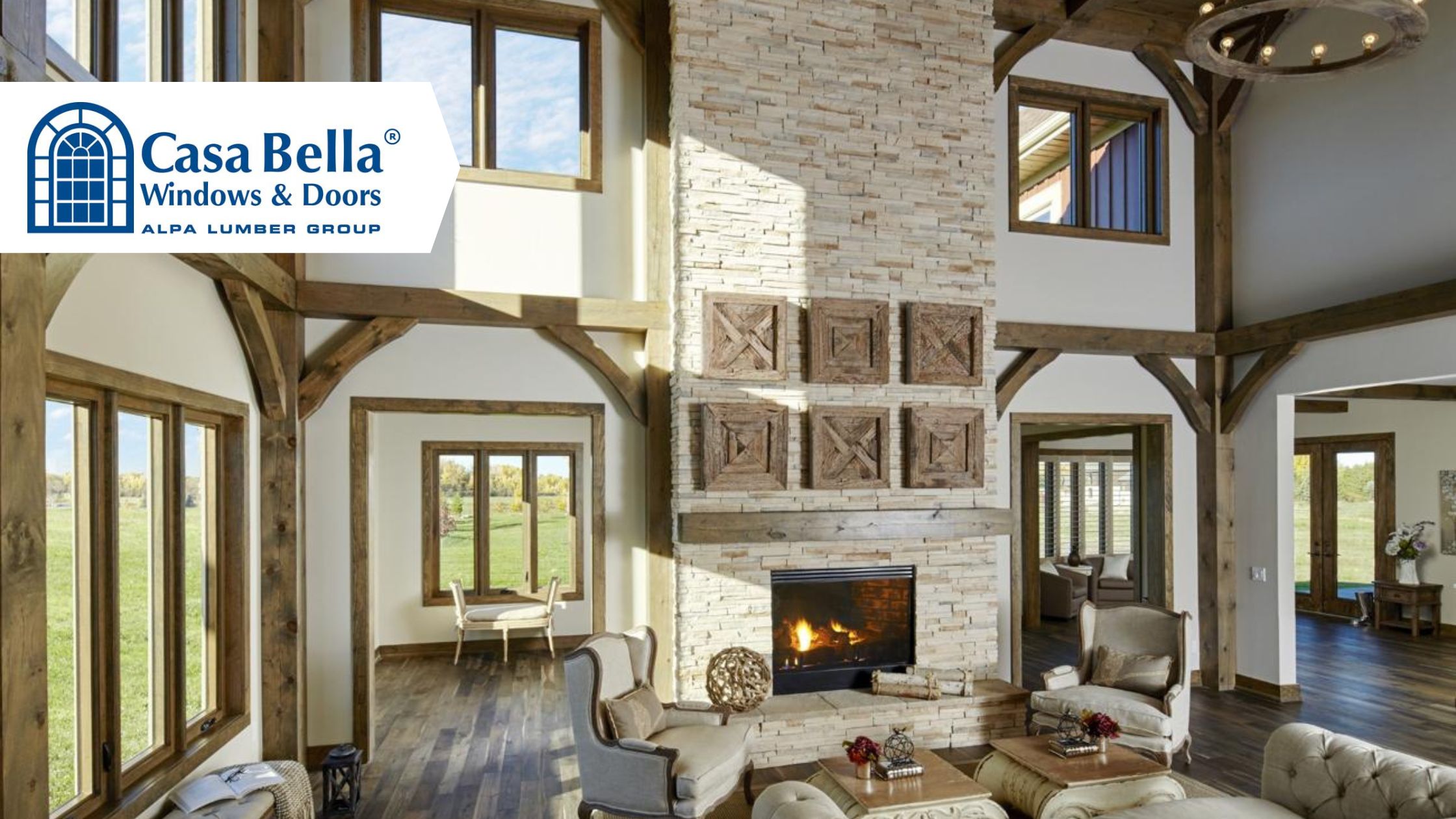
Homeowners who gravitate toward large windows, floor-to-ceiling glazing, and expansive glass walls tend to share a particular orientation toward the world. They want the boundary between inside and outside to feel permeable. They find enclosed, dark spaces draining and open, light-filled ones energizing.
There is good design logic behind this instinct. Natural light has measurable effects on mood, alertness, and perceived space. A room with generous windows feels larger, more connected to the natural environment, and more pleasant to spend time in across the full arc of a day.
Using natural light as a part of interior design is increasingly a deliberate design strategy rather than a happy accident. Homeowners who think carefully about window placement, orientation, and size are usually the ones whose homes feel effortlessly comfortable rather than merely adequate.
The practical implication: if light is a priority, window style and glazing quality matter enormously. A large window with poor glass will flood a room with heat in summer and drain warmth in winter. A large window with high-performance glazing delivers the light without the thermal penalty.
Casement Windows: You Value Function and Fresh Air
The window style you choose for the most-used rooms in your home reveals a lot about your daily priorities.
Stylish casement windows are hinged at the side and open outward, which makes them one of the most ventilation-efficient window styles available. When open, the entire sash acts as a scoop that directs air into the room. They seal tightly when closed, making them an excellent choice for energy performance. And their clean, uninterrupted sightlines suit both contemporary and traditional architecture.
People who choose casement windows for primary living spaces tend to care about the quality of their daily experience at home. They want to be able to open a window properly, feel a real breeze, and know that when the window is closed, it is genuinely sealed. They are not making a purely aesthetic choice. They are making a functional one that happens to look good.
Awning Windows: You Are Practical Without Sacrificing Design
Awning windows are hinged at the top and open outward from the bottom, creating a canopy effect that allows ventilation even during rain. They are a pragmatic choice for Canadian climates where shoulder-season weather is unpredictable, and they work particularly well in kitchens, bathrooms, and basement spaces where ventilation matters but privacy or wall height limits other options.
Choosing awning windows in the right locations suggests a homeowner who thinks through how a home actually functions in practice, not just how it photographs. They have considered the specific needs of each room rather than applying a uniform solution throughout the house. That kind of thoughtfulness tends to show up in other aspects of how a home is designed and maintained.
Specialty and Custom Windows: You Treat Your Home as a Design Statement
Not every window has to be a rectangle. Custom specialty windows, including arched, circular, triangular, and geometric shapes are chosen by homeowners for whom architecture is a genuine interest and not just a backdrop.
These windows are usually placed where they will be seen, above an entry door, in a stairwell, at the peak of a vaulted ceiling, or as a focal point on an exterior elevation. They contribute to the architectural identity of a home in a way that standard windows cannot, and they signal that the homeowner has thought carefully about visual composition and not just practical function.
Custom windows also suggest a willingness to invest in quality over convenience. They require more planning, more precise manufacturing, and more careful installation than standard sizes. The homeowners who choose them understand that a home built around considered details holds its character, and its value, in ways that a home of comparable square footage with generic finishes does not.
Small or Covered Windows: Privacy Is a Priority
Not every lifestyle calls for maximum transparency. Homeowners who prefer smaller windows, strategic placement that avoids sightlines from the street, or window treatments that diffuse rather than block light are communicating something just as coherent as the homeowners who want walls of glass.
Privacy is a legitimate and often underrated design priority. A home that feels like a refuge from the outside world, rather than an extension of it, suits certain lifestyles and personalities very well. The key is achieving privacy without sacrificing light quality, which is where window placement, orientation, and glazing choices require more careful thought rather than less.
Energy-Efficient Windows: You Are Playing a Long Game
The choice to invest in high-performance, energy-efficient windows is one of the clearest signals that a homeowner thinks about their property as a long-term asset rather than a short-term proposition.
High-efficiency windows cost more upfront. They also reduce heating and cooling costs significantly over their lifespan, reduce drafts and cold spots near glass surfaces, and protect interior finishes from UV degradation. Homeowners who prioritize this performance tend to be the same ones who maintain their homes carefully, make decisions based on total cost rather than sticker price, and take pride in a property that functions as well as it looks.
Understanding window frame materials is part of this calculation. Fiberglass, vinyl, wood, and composite frames all have different thermal properties, maintenance requirements, and lifespans. The homeowner who has looked into this distinction is approaching the decision with the right level of seriousness.
Windows in New Construction: A Chance to Get It Right from the Start
For homeowners building new, window selection is one of the most consequential decisions in the entire project, and one of the most frequently deferred until too late in the process.
Windows for new construction need to be specified early because they affect structural framing, rough opening dimensions, insulation detailing, and mechanical system design. Retrofitting a better window into a poorly planned opening is costly and often compromises performance. Getting the selection right from the start, with the right style, size, and performance specification for each location in the home, is far more efficient and produces far better results.
Homeowners who engage seriously with this decision during the design phase rather than accepting builder-grade defaults are the ones who end up with homes that perform and feel the way they intended.
What to Do If Your Windows Do Not Match How You Live
Most homes have windows that were chosen by someone else, for a different era’s priorities, budget, and aesthetic sensibility. If your windows are not serving the way you live now, whether that means insufficient light, poor ventilation, high energy costs, or simply a look that no longer suits the home, replacement is a more straightforward process than most homeowners expect.
Choosing the right window style starts with being honest about how you actually use each room and what you want it to feel like. It also benefits enormously from working with people who understand both the design and the performance dimensions of the decision. Consulting a window manufacturer before your project begins gives you access to technical expertise that a general contractor or retailer typically cannot provide. Understanding what is possible, what performs best in your climate, and what fits your architectural style before you commit to a scope of work saves time, money, and the frustration of a result that almost gets it right.
At Casa Bella Windows & Doors, we work with homeowners who care about getting this right. Whether you are replacing aging windows, building new, or renovating a home to better reflect how you want to live, we bring the craftsmanship, product knowledge, and Canadian climate experience to make the outcome worth the investment.
Your windows say something about you. We can help make sure they say the right thing.


